
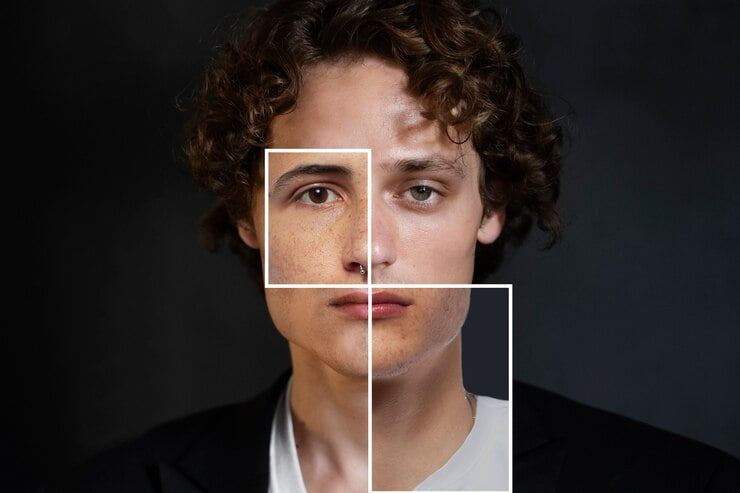
DeepFake Unveiled:Meaning,Technology,Creation and Controversies blog explains the meaning of deepfake,technology used,creation and controversies involved.
Introduction
The term “DeepFake” is used to refer to the use of artificial intelligence (AI) to alter media content in today’s digital world. With a special focus on famous incidents in India, this article explores the meaning, technology, creation process, and controversies regarding DeepFake.
DeepFake Meaning
DeepFake is a combination of the terms “deep learning” and “fake.” It describes the high-tech process of creating incredibly convincing fake content through the use of AI algorithms, especially deep learning. These algorithms are frequently used to modify photos, movies, or audio files. DeepFake’s technology uses neural networks to identify patterns in data and then replicates those patterns to seamlessly replace the original person’s voice or look in such a way that it looks original.
DeepFake Technology
The fundamental technique behind DeepFake is Deep learning, which is a branch of machine learning that uses artificial neural networks. Generative adversarial Networks, or GANs, are frequently employed in the production of DeepFakes. A generator and a discriminator neural network, which are the two parts of a GAN, collaborate to produce content that is undetectable in real media. Rapid developments in technology have made it possible to create extremely convincing—and frequently misleading—content.
Creating DeepFake
To create a DeepFake,gathering a significant amount of the target person’s photos, videos, or audio recordings is usually required. The neural network is then trained using this dataset, which enables it to pick up on the unique characteristics, behaviors, and details of the target. Once taught, the generator creates content that accurately mimics the voice or appearance of the target. The DeepFake gets increasingly genuine as more training data becomes available.
Deepfake Cases Worldwide
Between 2022 and 2023, there was a significant 10-fold increase in the number of deepfakes discovered globally across all sectors. Regional variations were seen, with North America experiencing a deepfake rise of 1740%, the Asia-Pacific region experiencing 1530%, Europe (including the UK) experiencing 780%, the Middle East and Africa experiencing 450%, and Latin America experiencing 410%.
What do the statistics show?
Statistics show that 71% of respondents globally say that they do not know what a deepfake is.
1. DeepFake Tom Cruise on TikTok (2021): A series of videos featuring a remarkably realistic DeepFake of Tom Cruise went viral on TikTok, sparking concerns about the potential misuse of such technology for impersonation and misinformation.
2. A unique instance of CEO fraud reportedly scammed a U.K.-based energy company for a total of US$243,000 by using a deepfake audio that was produced by artificial intelligence (AI).
Recent Deepfake Controversies in India
Rashmika Mandanna’s (an actress in Indian cinema) deepfake video went viral in November 2023. But Delhi police managed to find the four individuals who were involved in the case.
After this incident, another actress, Alia Bhatt , became the target of deepfake video.
The Celebrity Impersonation Scandal that unfolded sent shockwaves through India as DeepFake videos surfaced.As DeepFake videos of celebrities imitating well-known figures from the entertainment industry appeared, and sent shockwaves across India. The controversy led to legal inquiries into the source of these modified recordings. The incident brought to light the potential damage that DeepFake technology may do to a person’s reputation and sparked debate about the necessity of strict laws to stop these kinds of fraudulent methods.
dangers of deepfake technology
DeepFake technology has created an abundance of moral, cultural, and legal problems. Its ability to generate highly convincing fake material has generated concerns about data misuse, political manipulation, and the loss of confidence in digital media.
Ethical Concerns
Misuse of Personal Data: One of the primary ethical concerns surrounding DeepFake technology is the misuse of personal data. Creating realistic DeepFake content often requires large datasets of the target individual, leading to questions about consent, privacy, and the responsible use of personal information. The ability to manipulate someone’s physical identity without their permission has far-reaching involvements for individual privacy and consent in the digital age.
Political Manipulation: Political manipulation is another significant ethical concern associated with DeepFake technology. The potential to create fabricated videos of political figures raises questions about the authenticity of media content, the spread of misinformation, and the impact on democratic processes. DeepFake content has the potential to influence public opinion, sway elections, and undermine trust in political institutions.
Legal Concerns
Impersonation Laws: There are various obstacles in the DeepFake technology legal landscape. The complexities of violations associated to DeepFake could go beyond the scope of current fraud statutes. Determining the source of misleading content and holding people responsible for its production can be difficult, particularly when the content is shared across national boundaries.
Cross-Border Jurisdiction:Cross-border jurisdiction complicates the legal issues raised by DeepFake cases even further. Because DeepFake content spreads quickly because to digital channels, it might be difficult to decide which judicial jurisdiction should handle a given case. This problem emphasizes the necessity for global legal structures and international collaboration to combat the transnational nature of DeepFake-related offenses.
The Future Course of Action To Reducing The Effects Of DeepFake
The increasing number of instances of DeepFake technology mandates the implementation of prevention strategies to minimize potential harm. Therefore, a number of approaches can be explored to address the moral, legal, and societal issues raised by DeepFake technology in order to protect against deepfake frauds.
Technological Solutions
DeepFake Detection Tools: Investing in the development of advanced DeepFake detection tools can help identify manipulated content. These tools can analyze media files for inconsistencies, artifacts, or patterns indicative of DeepFake creation.
Blockchain for Content Verification: Implementing blockchain technology for content verification can enhance the traceability and authenticity of digital media. By creating an immutable record of media content, blockchain can help establish the legitimacy of digital assets.
Legal Reforms
Updating Impersonation Laws: Adapting existing laws to encompass the nuances of DeepFake-related offenses is necessary. This may involve explicitly addressing the creation, dissemination, and malicious use of DeepFake content in legal frameworks.
International Collaboration: Establishing international collaborations and agreements to address cross-border jurisdiction challenges is essential. Coordinated efforts among nations can facilitate the investigation and prosecution of individuals.
Conclusion
DeepFake technology is affecting society more and more as it develops, posing serious concerns regarding privacy, ethics, and legal frameworks. The cases examined show the variety of ways that DeepFake can be abused, ranging from accusations of commercial spying to celebrity lookalike problems. DeepFake is posing hurdles to India’s legal system, which highlights the necessity for strong legislation and international cooperation to handle the growing concerns linked with this technology. To minimize potential harm and safeguard the integrity of digital content, it is still crucial that DeepFake technology be used responsibly and regulated as we negotiate this difficult field.
You may also read:
FAQ
Q1. What do the statistics show about deepfake?
Ans: Statistics shows that 71% of respondents globally say that they do not know what a deepfake is.
Q2. Is Deepfake illegal in India?
Ans: The answer is no,but if found guilty of misleading like for publishing or transmitting deepfakes that are obscene or contain any sexually explicit acts , a person has to serve three years imprisonment and penalty of Rs. 1 lakh.
Ans: The answer is yes,if found guilty, one will be jailed for three years or more.
Can deepfakes be used for good?
Ans: Yes,it can be used in educational applications and entertainment industry to create more interactive educational videos or simulations.